
Manufacturers manage their product data through a specialized digital ecosystems built to handle extreme technical complexity, strict vehicle compatibility, and diverse distribution channels. Unlike standard retail, a single performance part (like a turbocharger or suspension kit) may map to thousands of highly specific vehicle configurations, requiring unique industry data governance.
Manufacturers synchronize and structure this vast data footprint using several foundational components:
1. Compliance with ACES and PIES Standards
To seamlessly sell parts online and through distribution networks, manufacturers must format their data according to North American aftermarket standards managed by the Auto Care Association:
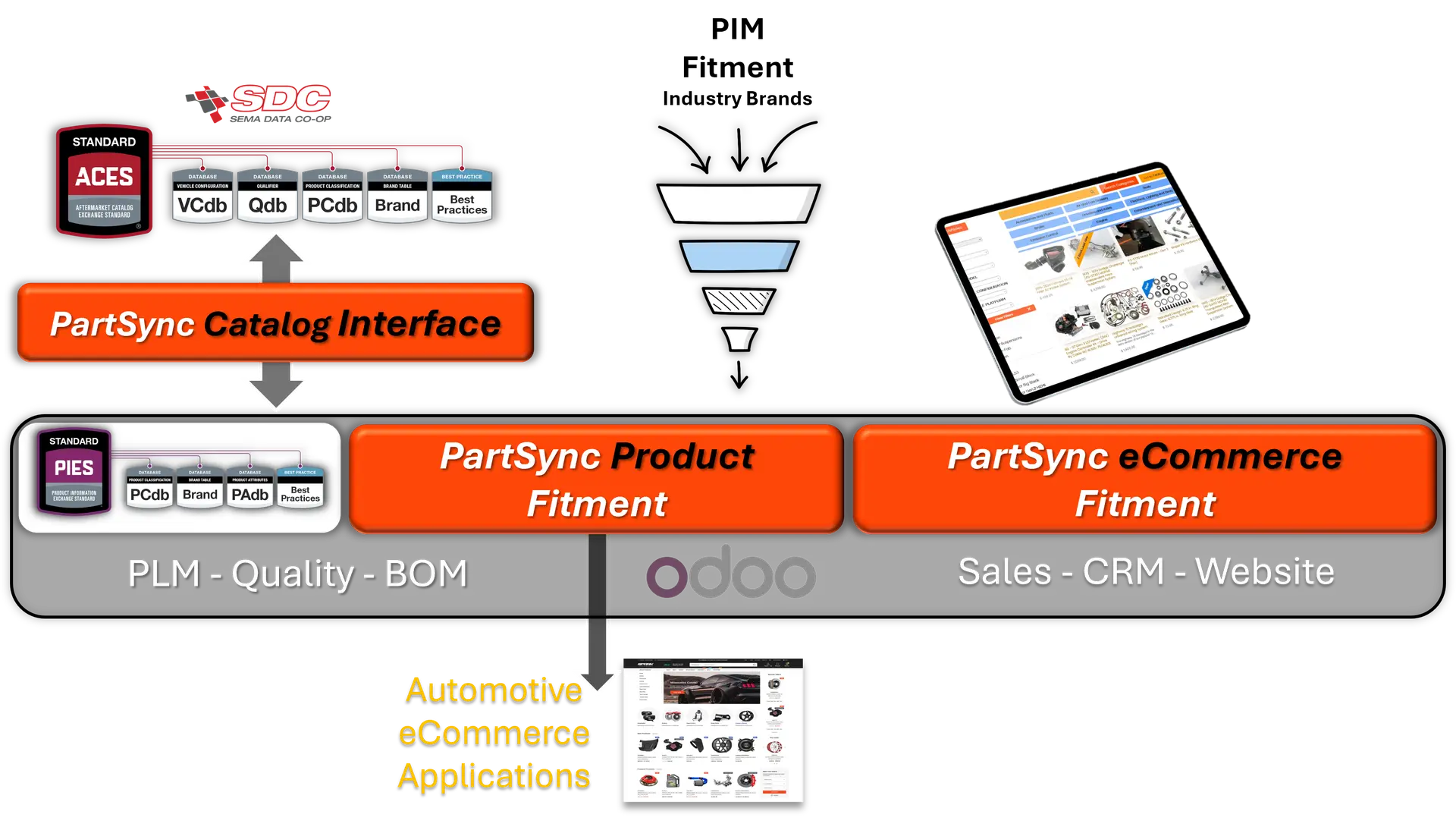
- ACES (Aftermarket Catalog Exchange Standard): This standard manages vehicle fitment and compatibility. It uses the Vehicle Configuration Database (VCdb) to map parts precisely to a vehicle's year, make, model, engine, and trim. [1]
- PIES (Product Information Exchange Standard): This standard governs the physical attributes of the product itself. It includes data points such as dimensions, weight, pricing, UPCs, and material composition.
2. Centralized PIM and MDM Systems
Performance manufacturers use Product Information Management (PIM) and Master Data Management (MDM) systems as a "single source of truth". These platforms replace fragmented spreadsheets and legacy databases:
- Data Consolidation: They aggregate data across digital and physical storefronts, ensuring technical specifications remain identical everywhere.
- Automated Validation: PIM systems like PartSync, Syndigo or Stibo Systems automatically flag missing data, format attributes for ACES/PIES compliance, and reduce manual data entry errors.
- Omnichannel Syndication, CatalogSync: They push data instantly to diverse channels like B2B wholesale portals, third-party marketplaces (eBay Motors, Amazon), and direct-to-consumer (DTC) e-commerce platforms.
3. PLM and CAD Integration
Before a performance part ever reaches the sales floor, its lifecycle begins in Product Lifecycle Management (PLM) software:
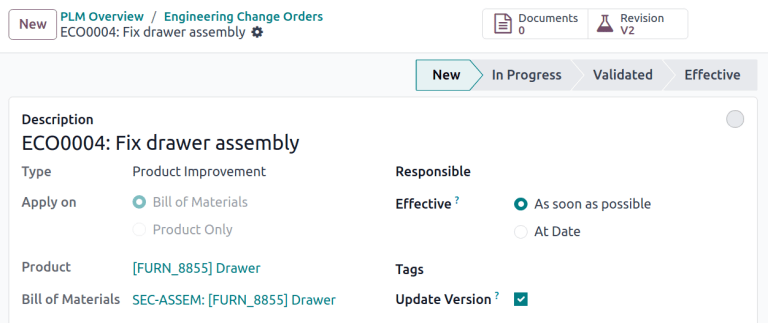
- Engineering Alignment: Platforms like Odoo Product Life Cycle Management connect 3D Computer-Aided Design (CAD) files directly to the product data architecture.
- Revision Tracking: Changes made by performance engineers (such as material updates or altered bracket designs) are logged in real-time to avoid downstream production defects.
4. ERP Synchronization
Once a part is ready for production, the PIM/PLM layer connects with Enterprise Resource Planning (ERP) software or as with Odoo's single platform PLM application aligns product data with:
- Bill of Materials (BOM): Managing raw materials, components, and supplier metrics.
- Inventory Control: Tracking stock levels to support MTO & just-in-time manufacturing
5. AI and Advanced Data Analytics
Performance parts manufacturers increasingly lean on artificial intelligence to handle massive data scales:
- AI Categorization: Machine learning models sort and map thousands of SKUs to the correct product categorization databases (PCdb).
- Predictive Validation: AI quickly identifies fitment logical errors, preventing costly product returns and ensuring high customer trust.